Design Thinking
DESIGN THINKING
DESIGN THINKING
what is design thinking?
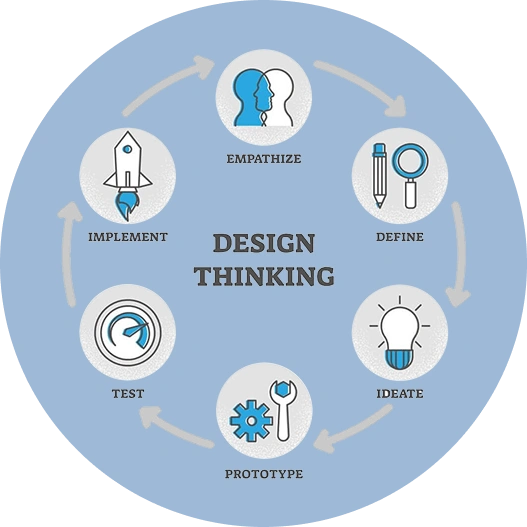
five stages
The 5 Stages of Design Thinking
Empathize
Gain an in-depth understanding of your users through research methods like interviews, observations, and surveys. This stage is about setting aside assumptions to uncover genuine user needs.
Define
Analyze your observations to define the core problems. Craft clear problem statements that guide the ideation process.
Ideate
Encourage brainstorming sessions to generate a wide range of creative solutions. This stage thrives on thinking outside the box and exploring unconventional ideas.
Prototype
Transform ideas into tangible forms. Develop scaled-down versions of the product or specific features to investigate the solutions generated.
Test
Evaluate the prototypes with users, gather feedback, and refine the solutions. This iterative process ensures the final product effectively addresses user needs.
AS A MENTOR
AS A MENTOR
My Approach as a Design Thinking Mentor
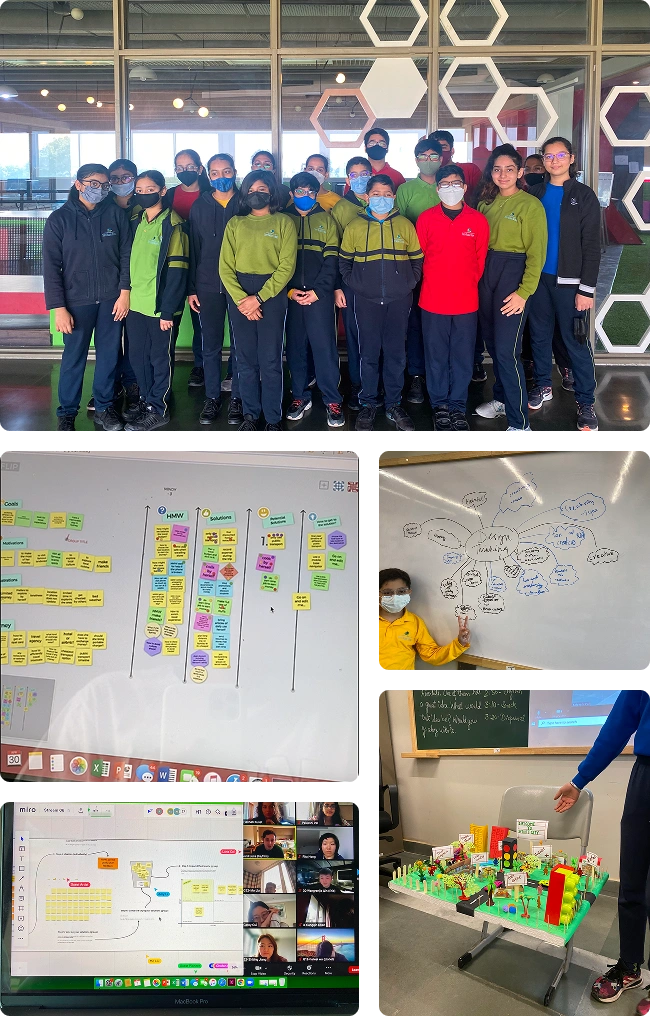
My Approach Involves
- Customized Workshops
Tailored sessions that address specific organizational challenges.
- Hands-On Training
Interactive activities that immerse participants in the Design Thinking process.
- Ongoing Support
Continuous guidance to implement Design Thinking principles effectively.
DESIGN THINKING
DESIGN THINKING
Why Design Thinking Matters
1. Cultivates Creative Problem-Solving
Design thinking encourages innovative solutions by deeply understanding user needs, making it invaluable for students tackling complex projects and for corporations aiming to innovate in competitive markets.
2. Enhances Empathy and User-Centricity
By emphasizing empathy, design thinking enables individuals to create solutions that truly resonate with users, leading to more effective and meaningful outcomes.
3. Promotes Collaboration and Interdisciplinary Learning.
Design thinking brings together diverse perspectives, fostering teamwork and cross-functional collaboration. Students learn to work cohesively, while businesses benefit from integrated solutions across departments.
4. Encourages Iterative Learning and Resilience
The iterative nature of design thinking teaches the value of prototyping, testing, and refining, instilling resilience in students and allowing companies to adapt swiftly to feedback and changing market demands.

5. Bridges the Gap Between Theory and Practice
Design thinking connects academic concepts with real-world applications, providing students with practical experience and enabling corporations to implement strategies that are both innovative and grounded in user research.